
JUDY KRUGER Ph.D.
Preparedness Problem-Solver
Preparedness Problem-Solver
Promotes best practices to improve outcomes. Innovative crisis leader who is known for using transformative solutions, innovative techniques, cross-disciplinary collaboration, and leveraging data to support strategic decision-making.
Conducts evaluations as part of the Emergency Management Accreditation Standards Assessor Team for universities, local, state, regional, and federal emergency management organizations seeking accreditation. Conducts audits to ensure compliance with an organization’s overall performance.

Provides human resource development, AI, and governance review to help corporate and non-profit boards drive substantial improvements in supply chain innovation. Applies understanding of corporate dynamics to advise on business continuity and response to disruptive events.

Accelerates C-suite leaders and high-potential managers to strengthen their impact, lead through complex transitions, and build effective teams while navigating policy, political, and BANI environments. As an ICF-credentialed Professional Certified Coach, she provides executive coaching for leaders to use the challenge-context-action-results model to maximize their time and effort when documenting their accomplishments.

Inspires and motivates audiences to become more resilient, withstand or recover from difficulties as a professional speaker. She draws on real-world examples from the front lines, including cyberattacks, power outages, bioterrorism, and natural disasters, and tailors her presentations to equip listeners with practical, proven strategies to manage risk and maintain calmness when the unexpected occurs.
While simultaneously overseeing the closeout of recovery operations across four Northeast states in 2025, she led FEMA Region 1’s Recovery Office Complex (ROC) and transformed a 25,300-square-foot facility into the central coordination hub for more than 220 staff. Previously, staff were scattered across multiple states in joint field offices and working in silos. She established consistent communication briefs and points of contact to enable real-time collaboration, setting a new standard for multi-disaster recovery in a resource-constrained environment.
Recognizing that 40 communities in two states were trapped in a cycle of repeated flooding and waiting for federal assistance, she championed an aggressive hazard-mitigation focus. Under her direction, the ROC secured dedicated mitigation funding and accelerated cross-program coordination directly with state emergency management agencies to deliver enhanced training and technical assistance. As a result $24.2 million of direct financial assistance were invested into the community, reduced administrative costs, and strengthened federal-state partnerships across New England.







As COVID-19 cases and stay-at-home orders, travel restrictions, and rigid behavioral modifications grew, she deployed to Delaware to respond to a request for assistance. To establish operational resilience to anticipate, withstand from disruption required her to work side-by-side the Delaware National Guardsmen (DNG).

Fear of Ebola Spreading on U.S. Soil from Frontier Airlines Flight 1143
During the beginning of the Ebola outbreak in West Africa, concern about transmission into the U.S. led to a proactive readiness stance to monitor emerging pathogens and enhanced screening of passengers and crew entering by air travel. She responded to the first U.S.-imported case of Ebola, from a passenger traveling from Liberia to Dallas.

As a disease investigator, her first boots-on-the-ground epidemiological investigation was during the Amerithrax investigation. She deployed to New York City to collect environmental samples, conduct surveys/interviews, and interact with federal, state, and local officials as the Anthrax investigation unfolded.
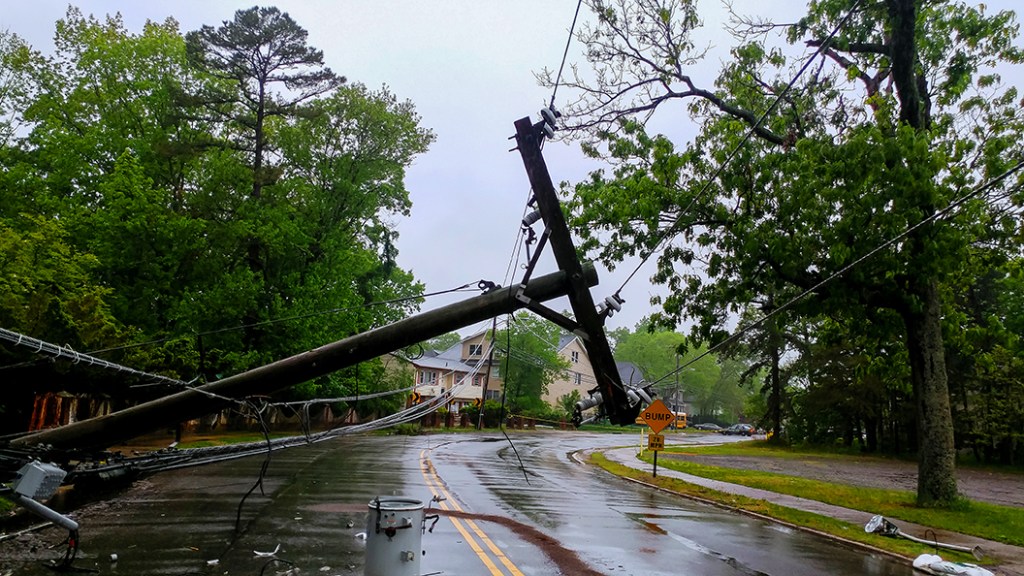
She was assigned to the Federal Coordinating Officer at FEMA in 2023 to support recovery efforts following Hurricane Idalia. This destructive Category 4 storm caused significant damage and flooding to homes, businesses, and the infrastructure in 32 declared Georgia counties.
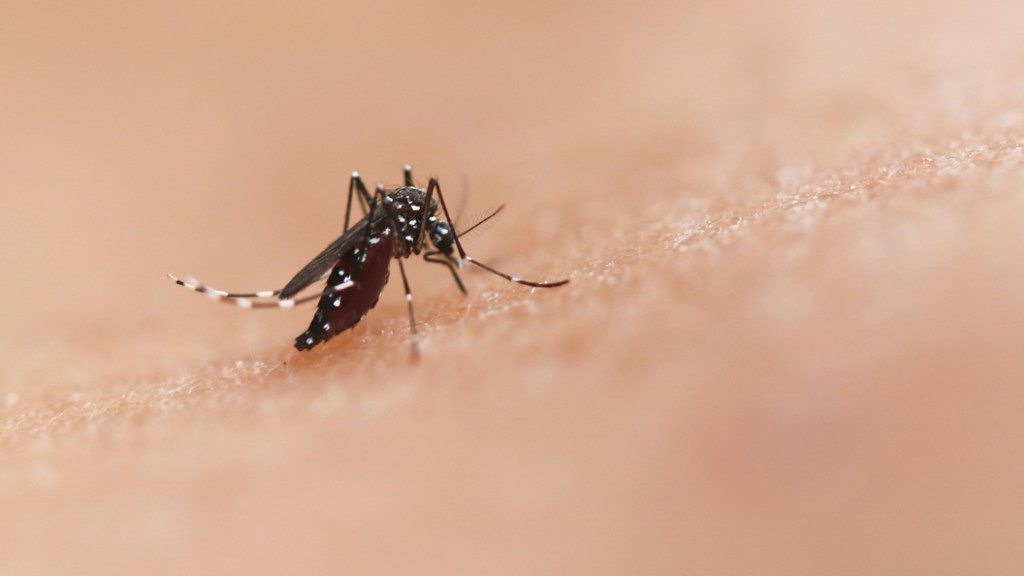
Detecting and Investigating the Unpredictable: Zika
Territorial health officials began seeing an unusual rise in fever and rash illnesses in 2015. Once confirmed that Zika was spreading locally, she deployed to American Samoa to support hospital efforts.
 judykruger.com